Neighborhood stories
Astoria Tonight: Isaac Mizrahi, Food Stories and an Adult Spelling Bee
A film conversation at MoMI, a free book talk and a spelling bee offer a few ways to spend Monday evening, October 19.
 AstoriaQueens.
City
The N and W trains overhead have been part of Astoria since 1917. Here’s how the 31st Street elevated line began, why Queensboro Plaza once served two subway companies, and a few details easy to miss on the ride.
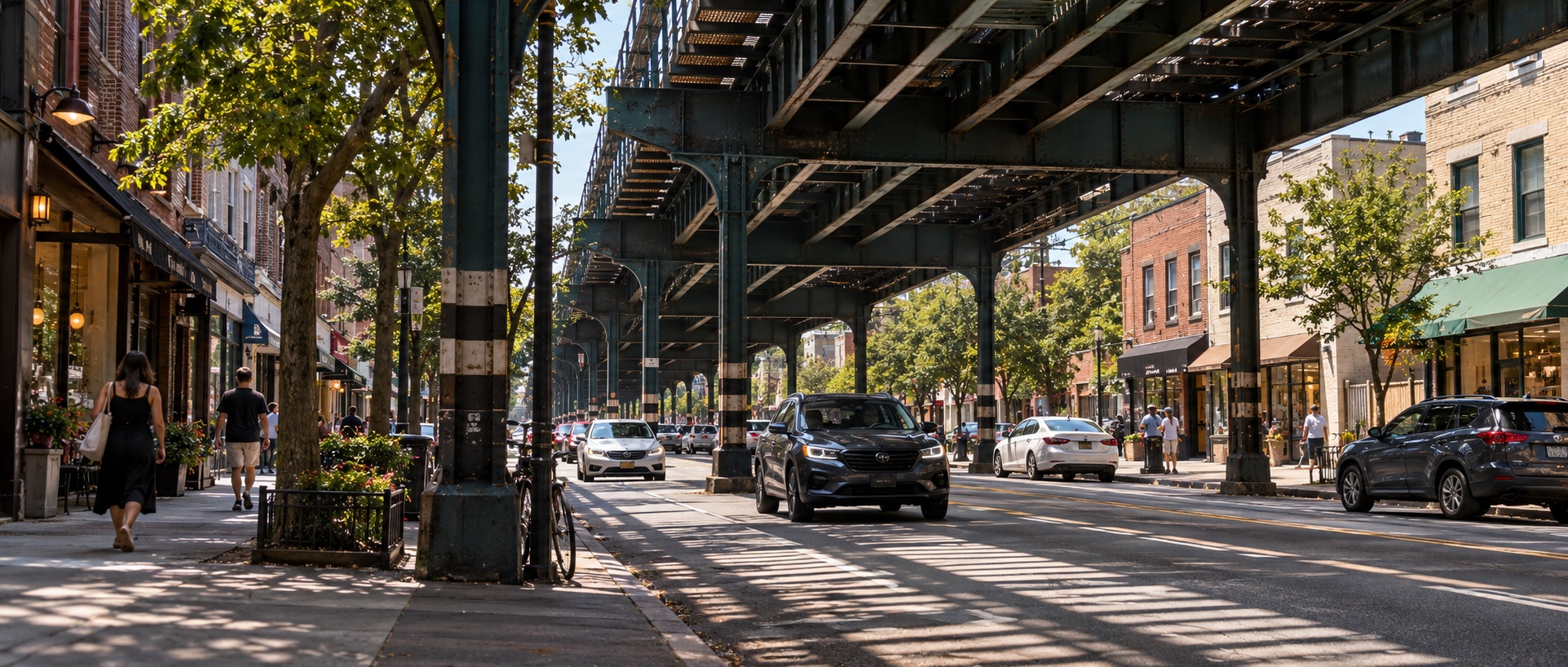
Walk along 31st Street and the trains overhead are hard to miss. Most days, they’re simply part of the neighborhood soundtrack: the N and W rolling above people heading to work, grabbing lunch, or making their way home. But the elevated line has been here since 1917. That means the rails above Astoria have been carrying Queens riders for about 109 years.
The line was built as part of the Dual Contracts, the big early 20th century agreements that helped expand subway service into Queens. The Interborough Rapid Transit Company (IRT) and the Brooklyn Rapid Transit Company, later known as the BMT, were both part of the story. The Astoria and Flushing lines were built during that push. The route over 31st Street runs from Ditmars Boulevard down to Queensboro Plaza, with seven stations along the way.
The early trip to Astoria was supposed to be a big deal. A preview train in July 1917 carried city officials and Queens Chamber of Commerce members all the way from Manhattan to Ditmars Boulevard. But the first days of regular service were bumpy. The Greater Astoria Historical Society recalls passengers being let off at Bridge Plaza, the old name for Queensboro Plaza, while their train went on to Manhattan without them. Local riders also complained about long waits and confusion at the transfer point. It’s a reminder that a new train line doesn’t automatically make the commute simple. Riders still had to figure out how to use it.
Queensboro Plaza was an unusual meeting point. For decades, the Astoria and Flushing routes were shared by the IRT and BMT, whose train cars were different widths. The station was divided between the two companies, and riders could move between their trains there. That arrangement ended in 1949, when the Astoria line became BMT-only. The platforms were cut back for the wider cars, and the north half of Queensboro Plaza was closed. That part was demolished in 1964.
There are still details you can spot today. Astoria Boulevard stands out with two island platforms and three tracks, while most neighborhood stops use side platforms. At Ditmars Boulevard, the elevated station sits beneath the huge steel arch of the Hell Gate Bridge. Today, the N and W run over the same stretch, and for people who use the line every day, the sound can fade into the background. But the next time you wait at Broadway, Astoria Boulevard, or Ditmars, it’s worth remembering that these tracks have been part of Astoria for nearly 110 years.
For a closer look, I used the BMT Astoria Line guide from NYCSubway.org and a story by the Greater Astoria Historical Society, published by QNS.