City
Astoria Resource Guide: Trains, Buses and Emergency Contacts
Save these useful Astoria links for N/W trains, neighborhood buses, city services, emergency help and local contacts.
 AstoriaQueens.
City
From its 1913 beginnings to the famous pool and more recent improvements, Astoria Park has grown alongside the neighborhood.
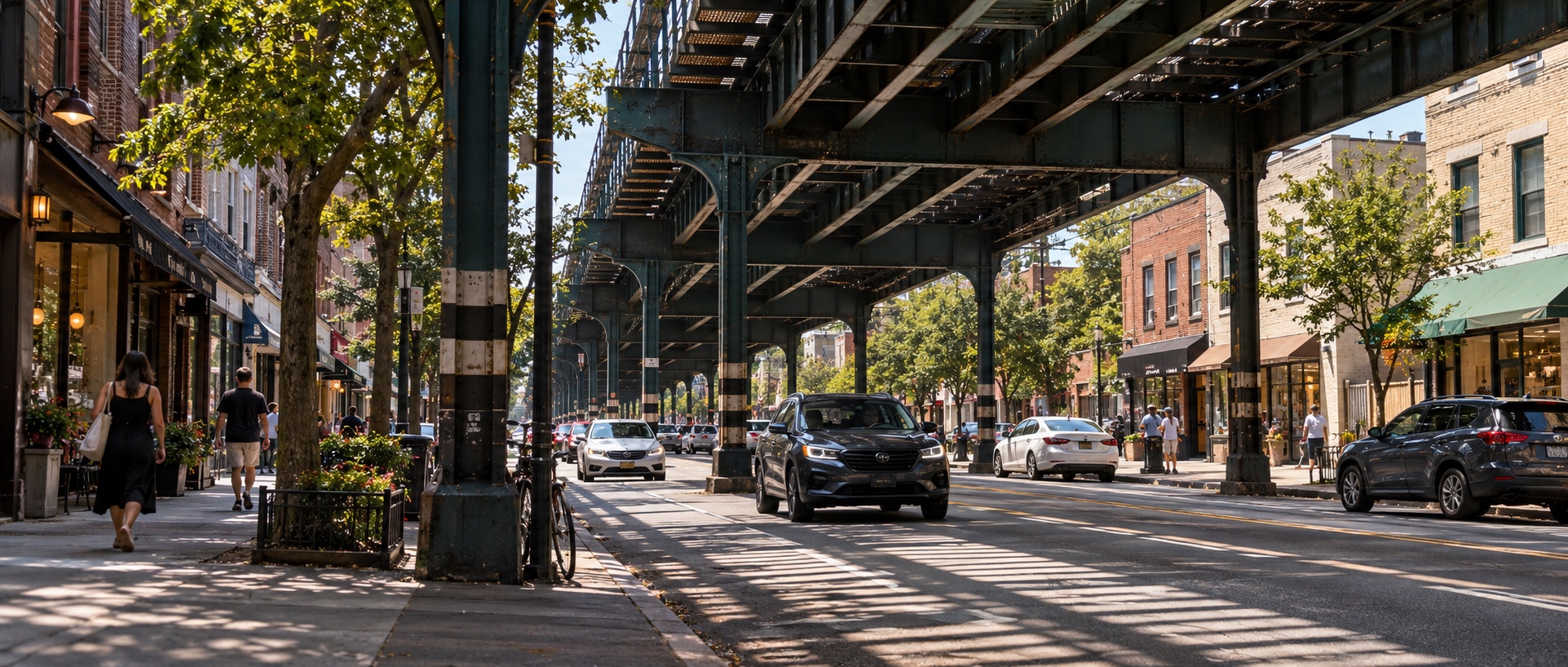
Astoria Park is one of those spots that can turn a quick walk into a whole afternoon. You come down for the river breeze and end up watching a game, meeting someone you know, or sitting for a while under the bridges. It feels like it has always been part of Astoria, but the park we know came together in layers, much like the neighborhood around it.
Long before there were paths, courts, and a pool, Lenape people lived and gathered along this shoreline. NYC Parks’ history describes a trail through the park to a Lenape village at Pot Cove, where people grew maize, fished in Hell Gate, and drew water from Linden Brook. That small stream still flows beneath Astoria Park South. It’s a reminder that this stretch of river has been part of daily life here for a very long time.
As Queens’ waterfront became more industrial, neighbors wanted public access to the river. In October 1913, New York City acquired more than 56 acres for a park. It was first named William J. Gaynor Park, then called East River Park, before the Board of Aldermen officially named it Astoria Park that December.
Even in those early years, people came to swim along the shore and spend Sundays on the lawns. Over time, the park gained the courts, ball fields, playgrounds, paths, and wading pool that made it a place for more than a special outing. It became somewhere to meet up, get some exercise, or let the kids run around.
The pool was a big turning point. It opened in 1936 as part of a major improvement project led by Parks Commissioner Robert Moses and the Works Progress Administration. NYC Parks calls Astoria Pool the city’s oldest and largest public pool. It hosted the swimming and diving trials for the U.S. Olympic teams in both 1936 and 1964.
The park grew along the water, too. In 1937 it gained four and a half acres beneath what’s now the RFK Bridge, and in 1969 another five-acre strip along the river became Ralph DeMarco Park. The paths, planting, and shoreline have also been cared for and reshaped over the decades, including erosion-control and landscaping work in the early 2000s.
Some of the newest changes are easy to see when you walk through. From 2019 to 2021, Charybdis Playground was rebuilt, and the project brought a new track around a turf soccer field, a fitness area, waterfront seating, and a rain garden. Astoria Pool reopened in 2024 after a major renovation.
That’s a lot of change across more than a century. What I like most is that Astoria Park still makes room for the simple things: a walk by the river, a game with friends, a swim on a hot day, or a bench where you can take your time. The bridges and the shoreline are part of its history, but the people using the park today are part of the story, too.
For the full timeline, NYC Parks has a history of Astoria Park. You can also read about the pool’s 2024 reopening.
Save these useful Astoria links for N/W trains, neighborhood buses, city services, emergency help and local contacts.
Track replacement will affect four Astoria-bound N train stops from early Saturday through Sunday night. Here are the stations and the MTA’s transfer advice.
A free museum tour, Latin music, a poetry open mic, Sunday yoga and a vinyl record show are among the local plans around Astoria from October 1–4.